
the full story
1. strip-out and disposal
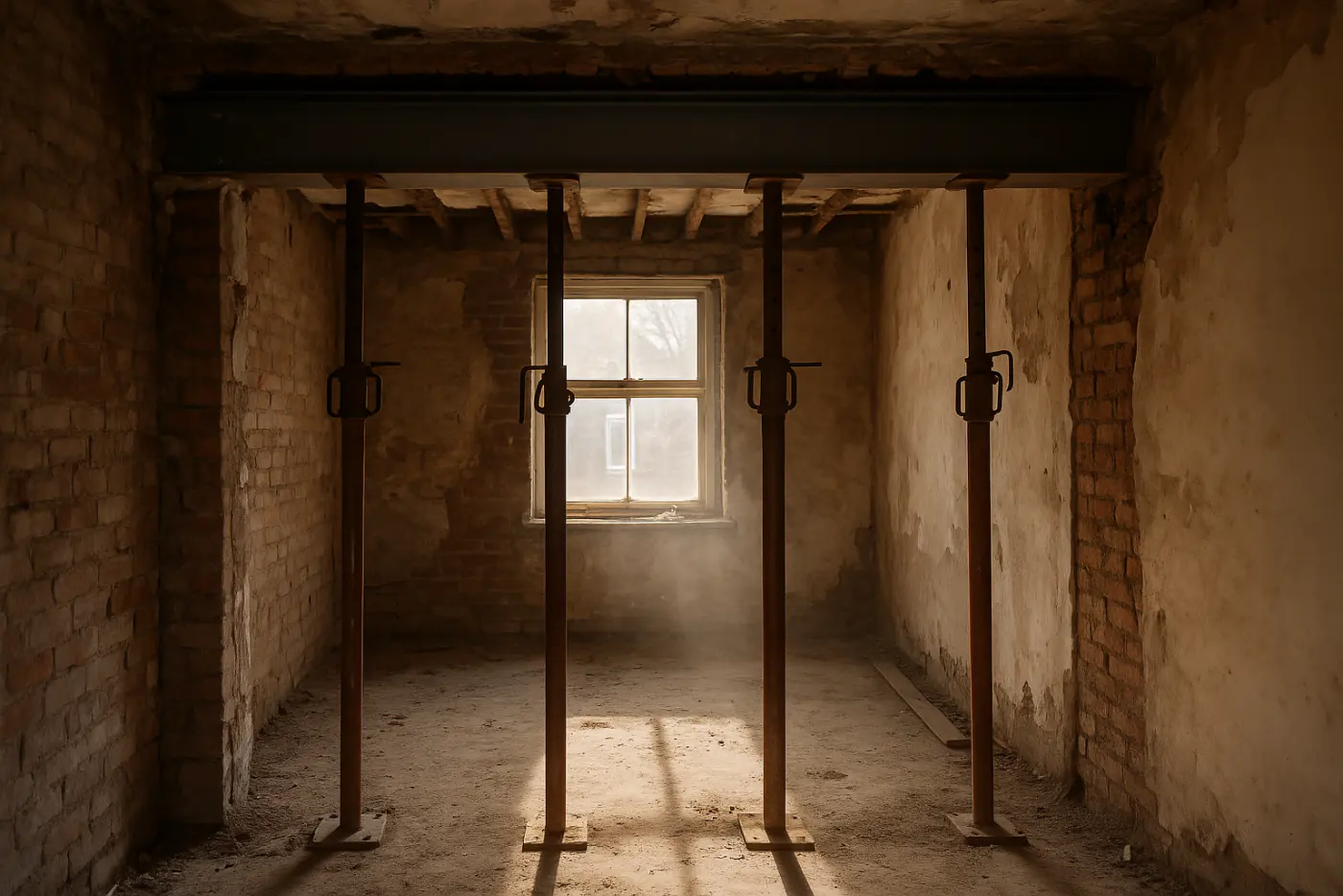
The more that has to come out, the more work. Removing only tiles and sanitaryware is different from stripping a bathroom down to the joists or the concrete floor. In older houses something sometimes appears during strip-out that needs repairing first, such as a floor that is no longer flat or sturdy enough.
2. pipework and drainage
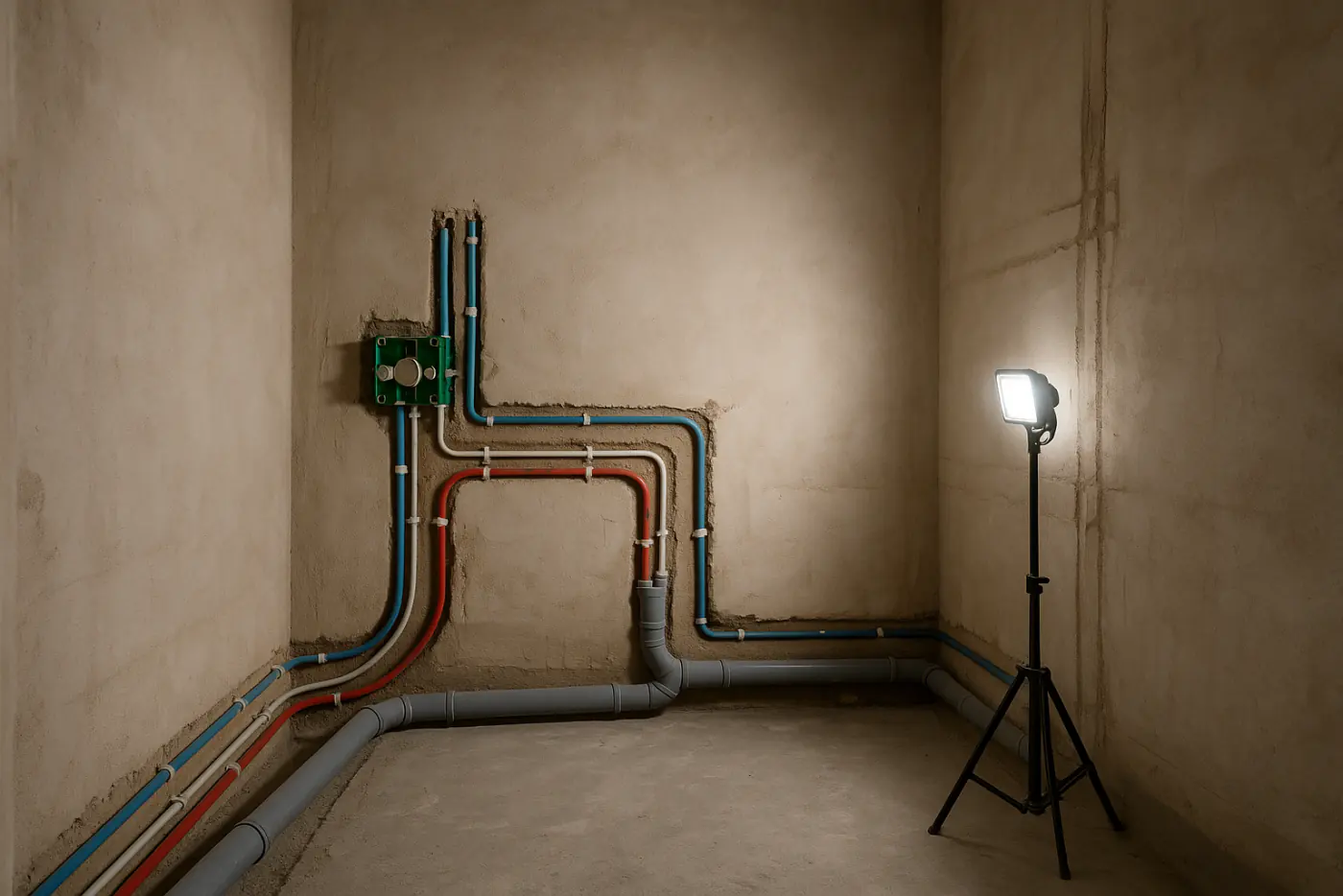
If shower, toilet and basin stay in the same place, the pipework is straightforward. If you move them, water and drainage have to move too, and the drain needs a fall. That can mean raising the floor or running pipes through another room.
3. substrate and waterproofing
Under the tiles lies the work you will never see again: flat walls, a floor with a fall and a waterproof layer in the wet zone. The better the existing substrate, the less work. Saving here is the worst idea, because this is where leaks start later.
4. tiles
The size and type of tile makes a difference, not only in purchase but also in laying. Large tiles need a very flat substrate, small tiles or a special pattern take more time. The amount of tiling counts too: up to the ceiling or to half height.
5. sanitaryware and taps
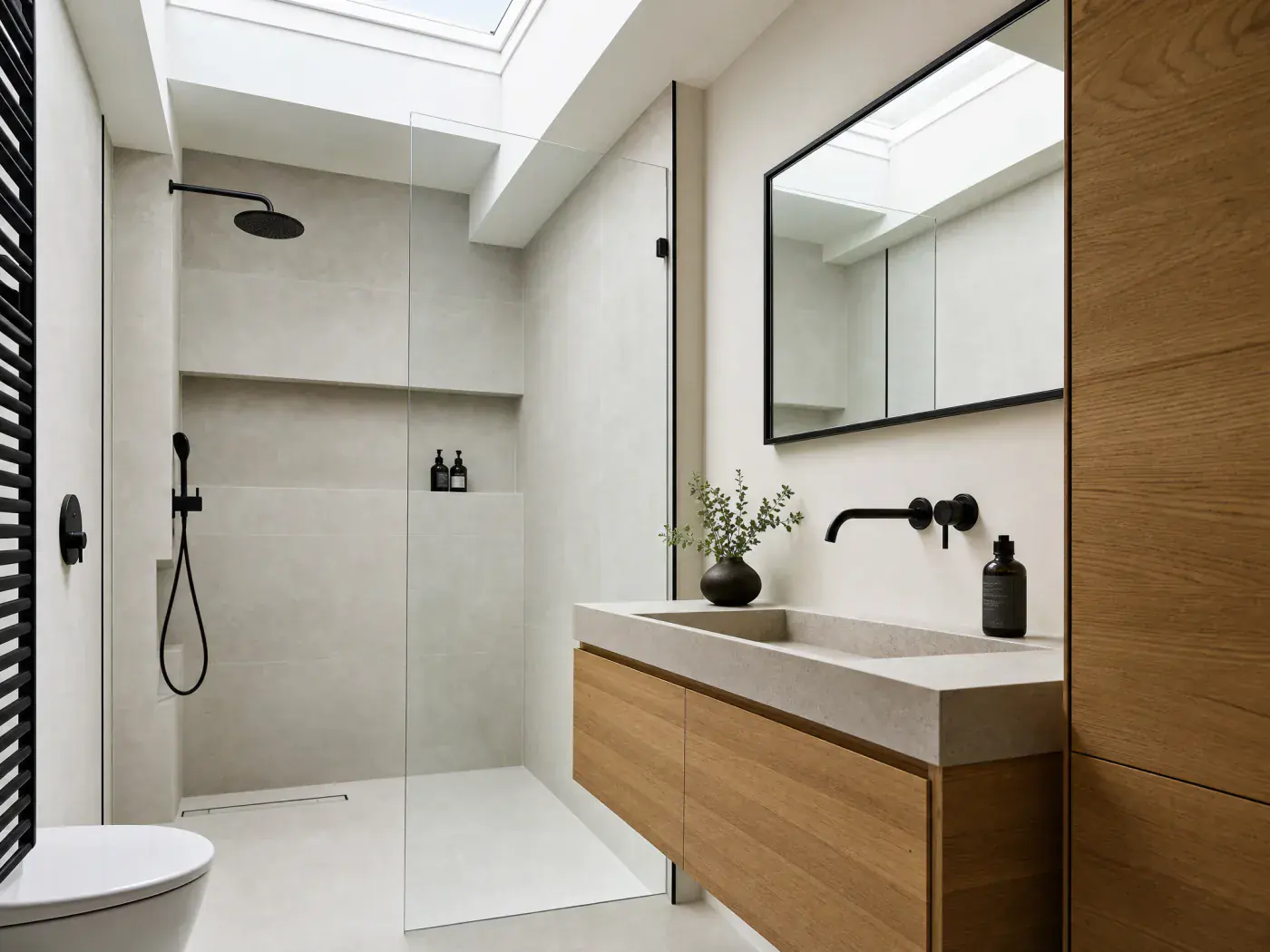
A concealed tap, a wall-hung toilet with concealed cistern or a freestanding bath need more preparation than surface-mounted versions. The choice of brand and finish of taps and sanitaryware also partly determines the total.
6. electrics, ventilation and bespoke work
Underfloor heating, extra lighting, a mirror with a connection, a good extractor fan: they belong in a modern bathroom. On top of that there may be bespoke work, such as a vanity unit, niche or built-in cabinet.
how to avoid surprises
The biggest uncertainty in a bathroom lies in what you find during strip-out. A good on-site introduction, where the floor, pipes and drainage are inspected, makes the quote far more reliable. At Freiwerk you get a quote that covers everything: strip-out, pipework, electrics, tiling, sanitaryware and finishing. So you know the cost in advance.